Retro Floral Geometric Pattern: A Unique Blend of Nostalgia and Modern Design
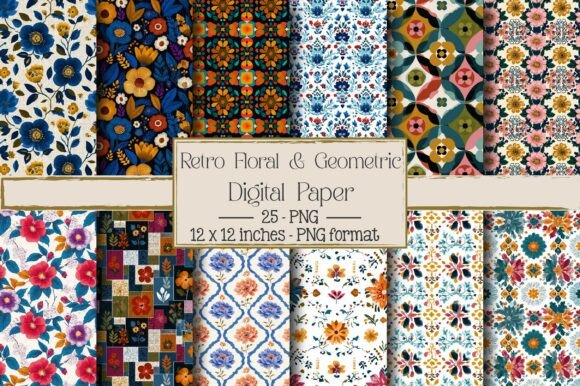
The Retro Floral Geometric Pattern is a design style that merges the elegance of traditional floral motifs with the precision and structure of geometric shapes. This combination creates a visually striking aesthetic that appeals to both vintage enthusiasts and modern design lovers. The pattern typically features intricate floral elements arranged in symmetrical or repeating geometric forms, resulting in a look that feels both timeless and contemporary.
What makes this pattern distinct is its ability to balance organic beauty with structured composition. Unlike purely floral designs, which can sometimes feel overwhelming or static, the geometric aspect introduces a sense of movement and order. This duality allows the pattern to be versatile, suitable for a wide range of applications while maintaining a strong visual identity.
Understanding the Elements of Retro Floral Geometric Pattern
At its core, the Retro Floral Geometric Pattern draws inspiration from mid-20th-century design trends. These patterns were commonly used in textiles, wallpaper, and graphic art during the 1950s and 1960s, reflecting a cultural shift toward experimentation and bold expression. The revival of such styles in recent years highlights their enduring appeal and adaptability.
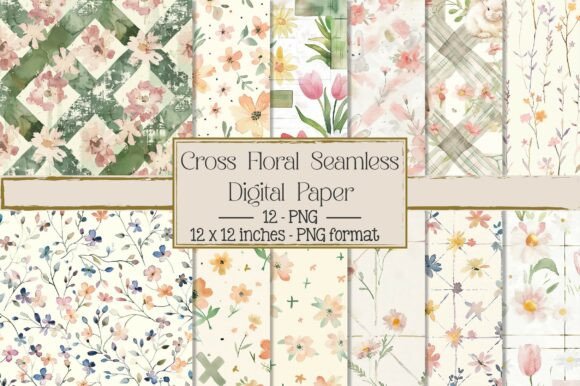
The floral elements in these patterns often include stylized blossoms, vines, and leaves, rendered in a simplified or abstract manner. These are then integrated into geometric frameworks such as circles, triangles, hexagons, or tessellated grids. This approach not only enhances the visual interest but also allows for scalability and flexibility in different formats.
One of the key characteristics of this pattern is its use of color. While retro designs often featured vibrant, saturated hues, the modern interpretation may incorporate more subdued or monochromatic palettes. This variation makes the pattern adaptable to different aesthetic preferences and design contexts.
Comparing Retro Floral Geometric Pattern with Similar Styles
When evaluating design options, it's helpful to compare the Retro Floral Geometric Pattern with other popular styles. For instance, pure floral patterns tend to emphasize naturalism and fluidity, while geometric patterns focus on symmetry and repetition. The Retro Floral Geometric Pattern sits at the intersection of these two approaches, offering a middle ground that combines the best of both worlds.
Another relevant comparison is with Art Deco patterns, which also feature geometric elements but often incorporate more metallic tones and streamlined forms. While both styles share a sense of sophistication, the Retro Floral Geometric Pattern leans more toward a whimsical and nostalgic feel, making it suitable for different types of projects.
In contrast to minimalist or abstract designs, the Retro Floral Geometric Pattern adds a layer of complexity and storytelling. It may not be the best choice for those seeking clean, uncluttered aesthetics, but it excels in environments where visual depth and character are desired.
Strengths and Tradeoffs of Retro Floral Geometric Pattern
The Retro Floral Geometric Pattern offers several advantages that make it a compelling choice for designers and creators. One of its main strengths is its versatility. Whether used in print, digital media, or product design, the pattern can be adapted to fit various scales and formats without losing its integrity.
Another benefit is its ability to evoke nostalgia while remaining relevant. This makes it an attractive option for brands or individuals looking to connect with a specific audience or era. The pattern’s structured nature also makes it easier to work with in software applications, allowing for precise adjustments and resizing.
However, there are tradeoffs to consider. The complexity of the pattern may not suit all design goals. In some cases, it could be overwhelming or difficult to integrate with other elements. Additionally, the reliance on specific color schemes and layouts may limit its applicability in highly experimental or unconventional projects.
Best-Fit Situations for Retro Floral Geometric Pattern
This pattern is particularly well-suited for projects that require a blend of tradition and innovation. For example, it works well for creating vintage-inspired branding, such as for cafes, boutiques, or artisanal products. Its structured yet decorative nature also makes it ideal for wall art, scrapbooking, and stationery design.
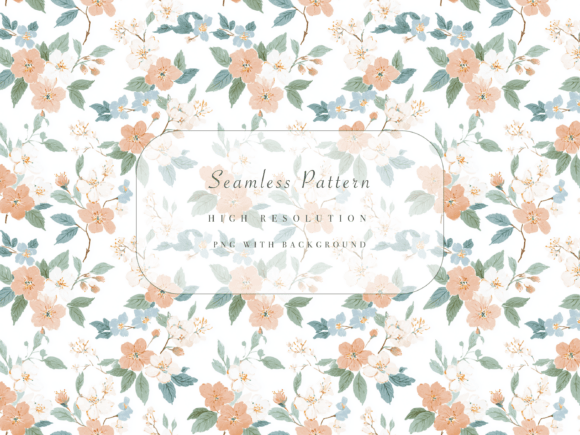
When considering physical products like T-shirts, stickers, or cards, the Retro Floral Geometric Pattern provides a unique visual identity that stands out. Its high-resolution format (300 dpi, 12x12 inches) ensures clarity and detail, making it easy to scale for different applications. The transparent background further enhances its usability, allowing it to be placed on any surface without additional editing.
For those working with digital tools, the pattern’s compatibility with various software means it can be easily modified or layered with other graphics. This flexibility is especially valuable for designers who want to experiment with different compositions or customize the pattern to suit their needs.
When to Consider Alternatives to Retro Floral Geometric Pattern
While the Retro Floral Geometric Pattern has many benefits, it may not always be the best fit. For instance, if the goal is to create a clean, minimalistic look, a simpler pattern or solid color might be more appropriate. Similarly, in cases where the design needs to be highly abstract or futuristic, the structured nature of the pattern could feel restrictive.
Other alternatives include abstract geometric patterns, which focus more on shape and form than floral elements, or modern floral designs that emphasize natural textures and soft lines. Each of these options has its own strengths and limitations, and the choice ultimately depends on the project’s requirements and the intended audience.
It’s also important to consider the target platform or medium. For example, if the design will be used primarily online, a more dynamic or interactive format might be preferable. In contrast, for print-based applications, the Retro Floral Geometric Pattern’s high resolution and clarity provide a significant advantage.
Practical Applications and Use Cases
The Retro Floral Geometric Pattern is widely used across multiple industries and creative fields. In the world of home decor, it can be found on wall art, cushions, and curtains, adding a touch of retro charm to living spaces. For fashion, it appears on T-shirts, scarves, and accessories, offering a distinctive look that blends old and new influences.
In the realm of stationery and paper goods, the pattern is popular for greeting cards, calendars, and notebooks. Its detailed design makes it ideal for printing on premium paper, where the texture and quality of the material can enhance the overall appearance. For crafters and DIY enthusiasts, the pattern is a valuable resource for scrapbooking, mixed-media projects, and custom illustrations.
Businesses and entrepreneurs can also benefit from using this pattern in their branding materials. Whether it’s for packaging, signage, or promotional items, the Retro Floral Geometric Pattern helps create a memorable and cohesive visual identity. Its digital format allows for easy access and customization, making it a practical choice for small-scale or independent creators.
Final Thoughts on Choosing Retro Floral Geometric Pattern
The Retro Floral Geometric Pattern offers a unique and versatile design solution that can enhance a wide range of projects. Its blend of floral and geometric elements creates a distinctive aesthetic that resonates with both nostalgic and contemporary audiences. However, as with any design choice, it’s important to evaluate whether it aligns with the specific goals and requirements of the project.
By understanding the strengths, tradeoffs, and potential applications of this pattern, creators can make informed decisions about its use. Whether it’s for personal projects, commercial products, or artistic expressions, the Retro Floral Geometric Pattern provides a rich and adaptable foundation for visual storytelling and creative exploration.